



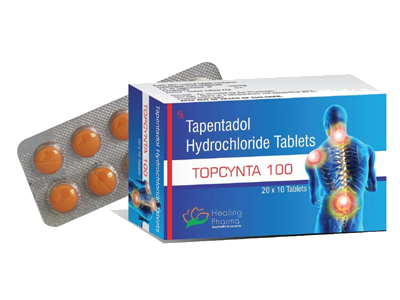
Product Overview
Topcynta 100mg available in various strengths
| Feature | Details |
|---|---|
| Product Name | Topcynta 100mg |
| Manufacturer company | Healing Pharma |
| Active Ingredient | Tapentadol |
| Duration of Use | Generally lasts 4 to 6 hours |
| Typical Dosage Frequency | Twice daily |
| Onset of Action | Typically within 30 to 60 minutes |
| Drug Interactions | CNS depressants, serotonergic drugs, other opioids, muscle relaxants |
| Indications | Moderate to severe pain (chronic pain, neuropathic pain, post-surgical pain) |
| Strength | Common uses |
| 50 mg | Moderate to severe pain management, chronic pain |
| 100 mg | Moderate to severe pain management, chronic pain, neuropathic pain |
| 150 mg | Moderate to severe pain management, chronic pain, post-surgical pain |
| 200 mg | Moderate to severe pain management, chronic pain, neuropathic pain, and musculoskeletal pain. |
| 300 mg | Chronic pain management for patients requiring continuous pain relief over 24 hours. |
What is the Topcynta 100mg?
Topcynta 100mg is a prescription medication that contains the active ingredient Tapentadol, a centrally acting opioid analgesic. It is primarily used for the management of moderate to severe pain, making it an effective option for individuals dealing with chronic pain conditions, such as neuropathic pain, musculoskeletal disorders, and pain following surgery. Topcynta operates through a dual mechanism of action: it binds to the mu-opioid receptors in the brain, blocking pain signals, while also inhibiting the reuptake of norepinephrine, which helps enhance the body’s ability to manage pain.
Topcynta is available in an extended-release formulation, allowing for a sustained release of medication over time and reducing the need for frequent dosing. This formulation is particularly beneficial for patients requiring long-term pain management. However, because it is an opioid, Topcynta carries the risk of dependence, tolerance, and withdrawal symptoms. Common side effects may include nausea, dizziness, constipation, and fatigue. It is crucial for patients to follow their healthcare provider’s instructions regarding dosage and to discuss any other medications they are taking to avoid potential drug interactions. Overall, Topcynta 100mg plays a significant role in pain management strategies for individuals with severe pain conditions.
What is the primary active ingredient in Topcynta 100mg?
The primary active ingredient in Topcynta 100mg is Tapentadol. Tapentadol is a centrally acting opioid analgesic that effectively manages moderate to severe pain. It works through a dual mechanism: it binds to mu-opioid receptors in the brain, thereby blocking pain signals, and it inhibits the reuptake of norepinephrine, which enhances the body’s natural pain modulation processes. This unique combination makes Tapentadol particularly effective for various pain conditions, including chronic pain, neuropathic pain, and pain following surgery. Due to its opioid nature, Tapentadol requires careful monitoring to prevent dependence and misuse.
How does Topcynta 100mg relieve pain?
Topcynta 100mg relieves pain through its active ingredient, Tapentadol, which employs a dual mechanism of action to effectively manage moderate to severe pain. Firstly, Tapentadol binds to mu-opioid receptors in the brain and spinal cord, blocking the transmission of pain signals, which helps diminish the perception of pain. Secondly, it inhibits the reuptake of norepinephrine, a neurotransmitter involved in pain modulation. By increasing norepinephrine levels, Tapentadol enhances the body’s ability to naturally alleviate pain, making it particularly effective for conditions like neuropathic pain and chronic musculoskeletal pain.
This combination of opioid and non-opioid effects allows Topcynta to provide effective and sustained pain relief, helping improve the quality of life for patients dealing with persistent pain. However, due to its opioid nature, it requires careful administration to minimize the risks of dependency and side effects.
How should Topcynta 100mg be administered?
Topcynta 100mg should be administered orally as prescribed by a healthcare provider. It is available in an extended-release tablet formulation, which is designed to provide long-lasting pain relief. Patients should swallow the tablet whole with water, without crushing, chewing, or breaking it, as doing so can release the medication too quickly and increase the risk of side effects. Typically, Topcynta is taken twice daily, at regular intervals to maintain a steady level of the medication in the bloodstream. It’s essential for patients to adhere to the prescribed dosage and frequency, as increasing the dose or taking it more frequently than directed can lead to serious side effects, including respiratory depression and dependency.
Additionally, patients should avoid alcohol and other CNS depressants while taking Topcynta, as these can exacerbate sedation and other adverse effects. Regular follow-up with a healthcare provider is also crucial to assess the medication’s effectiveness and make any necessary adjustments to the treatment plan.
What types of pain is Topcynta 100mg typically prescribed for?
Topcynta 100mg is typically prescribed for various types of moderate to severe pain, making it a versatile option in pain management. It is commonly used to address chronic pain conditions, including musculoskeletal pain associated with arthritis or lower back issues. Additionally, Topcynta is effective for neuropathic pain, which may arise from conditions like diabetic neuropathy or postherpetic neuralgia, where traditional pain medications may be less effective. It is also frequently prescribed for post-surgical pain management, helping patients recover more comfortably after surgical procedures.
The extended-release formulation of Topcynta allows for sustained pain relief, reducing the need for frequent dosing, which is particularly beneficial for individuals dealing with persistent pain. Overall, Topcynta provides a comprehensive approach to pain management, catering to various pain types and improving the quality of life for patients in need.
What is the usual dosing frequency for Topcynta 100mg?
The usual dosing frequency for Topcynta 100mg is typically twice daily. This extended-release formulation is designed to provide consistent pain relief over a 12-hour period. Patients should take the medication at regular intervals, following the healthcare provider’s instructions regarding the specific dosing schedule. It’s important to swallow the tablet whole with water, without crushing or chewing, to ensure the proper release of the medication.
What are the common side effects of Topcynta 100mg
Taking Topcynta 100mg for a prolonged period carries several potential risks and side effects that patients should be aware of. One of the primary concerns is the risk of developing tolerance, where the body becomes accustomed to the medication, leading to a decreased response and the need for higher doses to achieve the same pain relief. This can increase the likelihood of dependency as patients may become reliant on the medication to manage their pain.
Additionally, long-term use of Topcynta can lead to withdrawal symptoms if the medication is abruptly discontinued, necessitating a gradual tapering off under medical supervision. Other risks include respiratory depression, especially if combined with other central nervous system (CNS) depressants like alcohol or benzodiazepines, which can lead to serious complications or overdose.
Chronic use may also result in gastrointestinal issues, such as constipation, which can become severe over time. Furthermore, there is a potential risk of psychological effects, including mood changes or depression. Regular follow-up with a healthcare provider is essential for monitoring these risks and adjusting treatment as needed to ensure safe and effective pain management.
What precautions should be taken by elderly patients using Topcynta 100mg?
Elderly patients using Topcynta 100mg should exercise caution due to their increased sensitivity to opioids and the higher risk of side effects. It is important for healthcare providers to conduct a thorough assessment of their medical history and current medications to avoid potential drug interactions. Elderly patients may require lower doses to minimize the risk of respiratory depression, sedation, and gastrointestinal issues like constipation. Regular monitoring for side effects is essential, and adjustments to the treatment plan may be necessary based on the patient’s response. Additionally, caregivers should be educated on recognizing signs of overdose or adverse reactions, ensuring timely intervention if needed.
What are the potential risks of taking Topcynta 100mg for a long time?
Taking Topcynta 100mg for a prolonged period carries several potential risks and side effects that patients should be aware of. One of the primary concerns is the risk of developing tolerance, where the body becomes accustomed to the medication, leading to a decreased response and the need for higher doses to achieve the same pain relief. This can increase the likelihood of dependency, as patients may become reliant on the medication to manage their pain.
Additionally, long-term use of Topcynta can lead to withdrawal symptoms if the medication is abruptly discontinued, necessitating a gradual tapering off under medical supervision. Other risks include respiratory depression, especially if combined with other central nervous system (CNS) depressants like alcohol or benzodiazepines, which can lead to serious complications or overdose.
Chronic use may also result in gastrointestinal issues, such as constipation, which can become severe over time. Furthermore, there is a potential risk of psychological effects, including mood changes or depression. Regular follow-up with a healthcare provider is essential for monitoring these risks and adjusting treatment as needed to ensure safe and effective pain management.
Are there any known drug interactions with Topcynta 100mg?
Yes, there are several known drug interactions with Topcynta 100mg that patients should be aware of. It can interact with central nervous system (CNS) depressants, such as benzodiazepines, alcohol, and muscle relaxants, which may enhance sedative effects and increase the risk of respiratory depression. Additionally, drugs that affect serotonin levels, like selective serotonin reuptake inhibitors (SSRIs) or certain migraine medications, can lead to serotonin syndrome when combined with Topcynta.
Other opioids and medications that affect liver enzymes may also influence the effectiveness and safety of Tapentadol. Therefore, it is essential for patients to inform their healthcare provider of all medications they are taking to avoid potentially harmful interactions.
How should Topcynta 100mg be stored to ensure effectiveness?
To ensure the effectiveness of Topcynta 100mg, it should be stored in a cool, dry place away from direct sunlight and moisture. The ideal storage temperature is generally between 20°C to 25°C (68°F to 77°F), with allowances for brief excursions between 15°C to 30°C (59°F to 86°F). It is important to keep the medication in its original container, tightly closed, and out of reach of children and pets to prevent accidental ingestion. Avoid storing Topcynta in the bathroom, as humidity can negatively impact the stability of the medication.
Patients should also refrain from using Topcynta past its expiration date, as the safety and effectiveness of the medication cannot be guaranteed beyond this point. If there are any unused or expired tablets, they should be disposed of properly following local guidelines for medication disposal, thereby ensuring safe and responsible handling of pharmaceutical waste. Proper storage and disposal practices are essential to maintain the integrity of Topcynta and to ensure patient safety.
FAQS
Q. From where i can buy Topcynta 100mg?
A. Secure Health Mart provides shipping from India to US in 10-15 days and US to US in 3-4 days with guaranteed doorstep delivery.
Q. Where can I find more information about Topcynta 100mg
A. For more information, consult your healthcare provider, pharmacist, or Secure Health Mart websites.
Q. Are there any dietary restrictions while taking Topcynta 100mg?
A. There are no specific dietary restrictions, but it’s best to maintain a balanced diet to help manage side effects like constipation.
Q. Can I take Topcynta 100mg with other pain medications?
A. You should consult your healthcare provider before combining Topcynta with other pain medications to avoid potential interactions.
Q. Can I stop taking Topcynta 100mg suddenly?
A. No, you should not stop taking it suddenly without consulting your doctor, as this can cause withdrawal symptoms. A gradual tapering off is recommended.
Q. Can Topcynta 100mg be used in children?
A. Topcynta is not recommended for use in children under 18 years of age.
Q. What should I tell my doctor before starting Topcynta 100mg?
A. Inform your doctor about all medications you are taking, your medical history, and any allergies you may have.
Q. Can I drink alcohol while taking Topcynta 100mg?
A. No, it is advisable to avoid alcohol, as it can enhance the sedative effects and increase the risk of respiratory depression.
Q. How long does it take for Topcynta 100mg to start working?
A. Topcynta typically starts relieving pain within 30 to 60 minutes after administration.
Q. Is Topcynta 100mg safe during pregnancy?
A. It is generally not recommended during pregnancy; consult a healthcare provider for advice.
admin
/It is a long established fact that a reader will be distracted by the readable content of a page when looking at its layout web page editors now distribution use Lorem Ipsum.