



Erectile dysfunction (ED) and infertility are two distinct medical conditions that can be related but are not always directly connected. ED refers to the inability to achieve or maintain an erection sufficient for satisfactory sexual performance, while infertility is the inability to conceive a child after a year of regular, unprotected intercourse.While ED can make it more challenging to conceive, it is not a direct cause of infertility. However, underlying medical conditions that contribute to ED, such as diabetes, high blood pressure, or hormonal imbalances, can also affect fertility. Additionally, ED can lead to psychological stress, anxiety, and relationship issues, which can further exacerbate fertility problems.
“ Erectile dysfunction does not have a direct impact on fertility. However, it can make it harder for the couple to conceive. Not being able to maintain an erection can lead to stress and low body image that can make a man refrain from sexual intercourse. “
In some cases, ED can be a symptom of an underlying condition that affects fertility, such as low testosterone levels or pituitary gland problems. Therefore, while ED itself is not a direct cause of infertility, it can be a sign of an underlying issue that may impact fertility, and addressing the underlying condition can help improve both erectile function and fertility.
Erectile Dysfunction & heart disease
- They share common risk factors like high blood pressure and diabetes.
- ED can be an early warning sign of heart disease.
- Reduced blood flow is a common symptom of both conditions.
- Both conditions can be caused by underlying conditions like atherosclerosis.
Erectile Dysfunction and Stress
- This can create a cycle of stress and ED that can be difficult to break.
- Anxiety and stress can also lead to performance anxiety.
- Stress can reduce libido and make it difficult to achieve an erection.
- Managing stress through relaxation techniques can help alleviate ED symptoms.
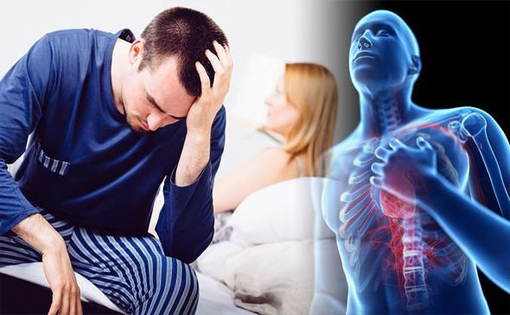

What are the Symptoms of Erectile Dysfunction
The symptoms of erectile dysfunction (ED) can vary from person to person, but typically include difficulty achieving or maintaining an erection sufficient for satisfactory sexual performance. Men with ED may experience a range of symptoms, including reduced erectile rigidity, decreased libido, and difficulty achieving orgasm.
Some men may experience a complete inability to achieve an erection, while others may be able to achieve an erection but have difficulty maintaining it. ED can also cause emotional and psychological symptoms, such as feelings of anxiety, depression, and low self-esteem. Men with ED may also experience relationship problems, as the condition can affect intimacy and communication with their partner.
In some cases, ED can also be a symptom of an underlying medical condition, such as diabetes, high blood pressure, or atherosclerosis. It’s essential for men experiencing symptoms of ED to consult with a healthcare professional to determine the underlying cause and develop an effective treatment plan.
What is the Diagnosis of Erectile Dysfunction
The diagnosis of erectile dysfunction (ED) typically involves a comprehensive evaluation of the individual’s medical history, physical condition, and lifestyle factors.
A healthcare professional will usually begin by conducting a thorough medical history, including questions about the onset and duration of ED symptoms, as well as any underlying medical conditions, such as diabetes, high blood pressure, or heart disease. The healthcare professional will also ask about lifestyle factors, such as smoking, alcohol consumption, and physical activity level.
A physical examination may also be performed to check for any underlying medical conditions that may be contributing to ED. This may include checking blood pressure, heart rate, and blood flow to the penis. Laboratory tests, such as blood tests to check for hormonal imbalances or underlying medical conditions, may also be ordered.
In some cases, additional tests, such as a nocturnal penile tumescence (NPT) test or a penile Doppler ultrasound, may be performed to assess erectile function. A psychological evaluation may also be conducted to assess for any underlying psychological factors that may be contributing to ED. Once the diagnosis is made, the healthcare professional can develop a treatment plan to address the underlying causes of ED and improve erectile function.
What are the Treatment options for Erectile Dysfunction
The treatment options for erectile dysfunction (ED) are varied and depend on the underlying cause of the condition. For men with mild ED, lifestyle changes such as quitting smoking, reducing alcohol consumption, and increasing physical activity can be effective in improving erectile function. Additionally, stress management techniques such as meditation, yoga, and deep breathing exercises can also be beneficial.
For men with more severe ED, oral medications such as phosphodiesterase type 5 (PDE5) inhibitors, including sildenafil (Viagra), tadalafil (Cialis), and vardenafil (Levitra), can be prescribed. These medications work by increasing blood flow to the penis and relaxing the muscles in the penis, allowing for an erection to occur.
Other treatment options may include injectable medications, such as alprostadil, which are injected directly into the penis to produce an erection. Vacuum erection devices (VEDs) are also available, which use a vacuum pump to draw blood into the penis and create an erection.
In some cases, surgery may be necessary to treat underlying conditions that are contributing to ED, such as blocked blood vessels or prostate problems. A healthcare professional can help determine the best course of treatment for each individual based on their specific needs and medical history.
Lifestyle changes to manage Erectile Dysfunction
Lifestyle changes can play a significant role in managing erectile dysfunction (ED). Making healthy lifestyle choices can help improve overall health, increase blood flow, and enhance erectile function. One of the most important lifestyle changes for managing ED is to maintain a healthy weight. Excess weight can put strain on the cardiovascular system, leading to decreased blood flow to the penis and increasing the risk of ED.
Regular exercise, such as brisk walking, cycling, or swimming, can help improve cardiovascular health, boost testosterone levels, and enhance erectile function. A healthy diet rich in fruits, vegetables, whole grains, and lean protein can also help support erectile health. Foods that are high in antioxidants, such as berries, leafy greens, and nuts, can help improve blood flow and reduce inflammation.
Quitting smoking and limiting alcohol consumption can also help manage ED. Smoking can damage blood vessels and reduce blood flow to the penis, while excessive alcohol consumption can lead to decreased libido and erectile dysfunction. Stress management techniques, such as meditation, yoga, and deep breathing exercises, can also help reduce stress and anxiety, which can contribute to ED.
Getting enough sleep and practicing good sleep hygiene can also help regulate hormones and improve erectile function. By making these lifestyle changes, men can take a proactive approach to managing ED and improving their overall health and well-being.
Frequently Asked Questions (FAQs)
Q: What is Erectile Dysfunction?
A: Erectile Dysfunction (ED) is the inability to achieve or maintain an erection sufficient for satisfactory sexual performance.
Q: What causes Erectile Dysfunction?
A: ED can be caused by physical factors (diabetes, cardiovascular disease), psychological factors (stress, anxiety), or a combination of both.
Q: What are the symptoms of Erectile Dysfunction?
A: Symptoms include difficulty achieving or maintaining an erection, reduced sexual desire, and decreased sexual satisfaction.
Q: How is Erectile Dysfunction diagnosed?
A: Diagnosis involves medical history, physical examination, laboratory tests, and specialized tests (penile Doppler ultrasound).
Q: What are treatment options for Erectile Dysfunction?
A: Treatment options include medications (sildenafil), vacuum constriction devices, penile injections, surgery, and lifestyle changes.
Q: Can Erectile Dysfunction be cured?
A: Erectile Dysfunction can be effectively managed and treated, but a “cure” depends on the underlying cause.
Q: Is Erectile Dysfunction a normal part of aging?
A: Erectile Dysfunction increases with age, but it’s not an inevitable part of aging.
Q: How does Erectile Dysfunction affect relationships?
A: Erectile Dysfunction can impact self-esteem, relationships, and overall well-being.
Q: Can Erectile Dysfunction be prevented?
A: Maintaining a healthy lifestyle, managing chronic conditions, and addressing psychological factors can help prevent Erectile Dysfunction.
Q: When should I seek medical help for Erectile Dysfunction?
A: Seek help if you experience persistent or recurrent Erectile Dysfunction symptoms.