




To maintain proper eye health, prioritize regular eye exams every 2-3 years, or annually if you’re over 65 or have a family history of eye issues.Protect your eyes from UV rays with sunglasses and blue light blocking glasses for digital devices. Eat a balanced diet rich in omega-3 fatty acids, zinc, and vitamins A, C, and E, found in leafy greens, nuts, and citrus fruits.Quit smoking, as it increases the risk of cataracts and age-related macular degeneration.
“ Regular eye examinations are crucial for maintaining optimal eye health. These comprehensive check-ups involve a series of tests to assess vision accuracy, detect potential issues, and monitor existing conditions.During an examination, an eye care professional evaluates visual acuity, refraction, and eye movement. “
Maintain a healthy weight to reduce diabetes risk, which can cause eye damage.Follow the 20-20-20 rule: every 20 minutes, look away from screens and focus 20 feet ahead for 20 seconds. Get 7-8 hours of sleep to reduce eye strain and fatigue. Lastly, avoid rubbing your eyes and wash your hands frequently to prevent infection..
Eye care tips
- Get regular comprehensive eye exams every 2-3 years to detect potential issues early.
- Wear sunglasses with 100% UV protection to shield eyes.
- Limit screen time and take regular breaks to rest your eyes.
- Get 7-8 hours of sleep daily to help your eyes .
Avoiding eye injuries
- Wear protective eyewear during sports, DIY projects, and high-risk activities.
- Keep chemicals, cleaning supplies, and pesticides away from eyes.
- Avoid rubbing eyes, especially with dirty hands.
- Use eye protection when working with power tools or machinery.
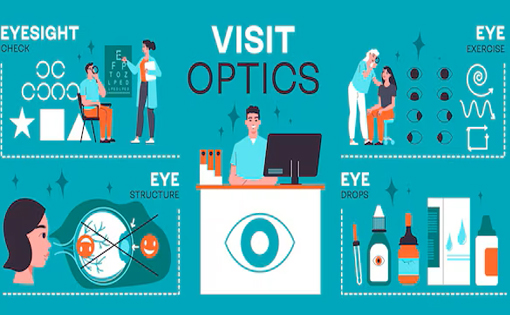
Regular eye examination
Regular eye examinations are crucial for maintaining optimal eye health. These comprehensive check-ups involve a series of tests to assess vision accuracy, detect potential issues, and monitor existing conditions.
During an examination, an eye care professional evaluates visual acuity, refraction, and eye movement, as well as checks for signs of cataracts, glaucoma, macular degeneration, and other eye diseases. Additionally, they examine the retina, optic nerve, and other internal structures to identify any abnormalities.
Regular eye examination can correct vision problems, prevent complications, and even detect systemic conditions like diabetes and hypertension, making them essential for overall health.
Quit Smoking for Better Eye Health
Quitting smoking is a crucial step towards better eye health, as smoking poses significant risks to vision. Smoking damages the retina, optic nerve, and other delicate eye tissues, increasing the likelihood of severe eye conditions.
Smoking-related eye issues include cataracts, glaucoma, age-related macular degeneration, and diabetic retinopathy. Additionally, smoking reduces blood flow to the eyes, leading to dryness, irritation, and blurred vision.
Quitting smoking can greatly reduce these risks and slow disease progression. Within minutes of quitting, eye health begins to improve, and benefits accumulate over time. Protect your vision and overall well-being by quitting smoking today.
Protecting eyes from UV radiation
Protecting your eyes from UV radiation is crucial for preventing irreversible damage and reducing the risk of eye diseases. UV rays from the sun or tanning beds can cause cataracts, macular degeneration, and eye cancers.
To safeguard your vision, wear sunglasses with 100% UV protection (UV 400) whenever outdoors, especially during peak sun hours (10am-4pm). Choose wraparound styles for added protection. Don’t rely solely on cloud cover or car windshields, as UV rays can pass through.
Also, wear protective eyewear during water or snow sports, as reflective surfaces intensify UV exposure. For children and seniors, UV protection is especially vital due to increased vulnerability.
Balanced diet for healthy vision
A balanced diet rich in essential nutrients is vital for maintaining healthy vision. Foods packed with omega-3 fatty acids, such as salmon and walnuts, support eye health by reducing inflammation. Leafy greens like spinach and kale contain lutein and zeaxanthin, which protect the macula and prevent age-related macular degeneration.
Citrus fruits, bell peppers, and broccoli are high in vitamin C, which boosts eye immunity. Nuts and seeds, like almonds and sunflower seeds, provide vitamin E, shielding eyes from damage. Zinc-rich foods, such as oysters and beans, support eye function and regeneration. Whole grains like brown rice and quinoa offer essential minerals.
A well-rounded diet also includes foods high in antioxidants, like berries and carrots, to combat oxidative stress and promote vision longevity. Drinking plenty of water and limiting processed foods and sugars complements a balanced diet for optimal eye health.
Proper sleep for eye strain prevention
Proper sleep is essential for eye strain prevention, allowing your eyes to rest and recover from the strain of daily activities. During sleep, your eyes rejuvenate and repair damaged cells, reducing fatigue and inflammation. Aim for 7-9 hours of sleep each night to help your eyes recover from prolonged screen time, reading, or other visually demanding tasks.
Establish a consistent sleep schedule, avoid caffeine and electronics before bedtime, and create a relaxing sleep environment to improve sleep quality. Additionally, practice good sleep hygiene, such as avoiding heavy meals close to bedtime and minimizing exposure to harsh lighting.
Adequate sleep also helps regulate eye pressure, reducing the risk of glaucoma and other eye conditions. By prioritizing sleep, you can wake up with refreshed, rested eyes, ready to tackle the day without strain or fatigue.
Frequently Asked Questions (FAQs)
Q: What is the best way to protect my eyes from the sun?
A: Wear sunglasses with 100% UV protection.
Q: How often should I have my eyes examined?
A: Every 2-3 years if you’re under 65, and annually if you’re 65 or older.
Q: What foods support eye health?
A: Leafy greens, omega-3 rich foods, citrus fruits, and foods high in antioxidants.
Q: Can smoking affect my eye health?
A: Yes, smoking increases the risk of cataracts, macular degeneration, and other eye conditions.
Q: How can I reduce eye strain from screens?
A: Follow the 20-20-20 rule, adjust display settings, and take breaks.
Q: What are the benefits of proper eye care?
A: Prevents vision loss, detects eye diseases early, and improves quality of life.
Q: Can contact lenses cause eye problems?
A: Improper use or hygiene can lead to infections and other complications.
Q: How can I maintain good eye hygiene?
A: Wash hands before touching eyes, clean contact lenses properly, and avoid sharing makeup.
Q: Are regular eye exams necessary for children?
A: Yes, ensures proper vision development and detects potential issues early.
Q: Can protective eyewear prevent eye injuries?
A: Yes, wear protective eyewear during sports, DIY projects, and other high-risk activities.