



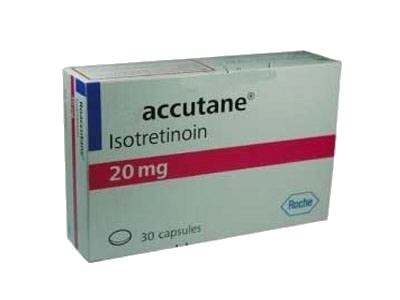
Product Overview
| Feature | Details |
|---|---|
| Generic Name | Isotretinoin |
| Strength | 20mg per capsule |
| Indication | Severe nodular/cystic acne unresponsive to other treatments |
| Typical Treatment Duration | 4 to 6 months (depends on acne severity) |
| Interactions | Avoid Vitamin A supplements, alcohol, tetracycline antibiotics |
| Formulation | Oral capsules |
| Common Side Effects | Dry skin, chapped lips, dry eyes, increased sun sensitivity, nosebleeds |
| Typical Dosage | 0.5 to 2mg per kg of body weight per day; can vary based on patient response and tolerance |
Accutane 20mg
Accutane 20mgOne of the best drugs for treating severe acne that doesn’t improve with traditional therapies is Accutane (generic name: isotretinoin). It is especially used for noduled or cystic acne, which can cause skin damage and be extremely unpleasant and persistent.This drug, which is a vitamin A derivative, treats the underlying causes of acne, such as excessive oil production, irritation, and clogged pores.Accutane 20mg is available in different dosages, and it is typically given based on the patient’s weight and the severity of their acne.1982: Following years of research and clinical trials, Accutane (brand name for isotretinoin) was approved by the U.S. Food and Drug Administration (FDA) for the treatment of severe, treatment-resistant acne. Hoffmann-La Roche launched Accutane in the U.S. and it quickly gained a reputation for its unmatched efficacy.Accutane was the first and only oral medication that could effectively clear up severe nodular acne, providing long-term or even permanent relief. For many, it was considered a “miracle drug” because it could treat acne that did not respond to antibiotics or topical treatments.How Accutane 20mg works?Since it treats a variety of variables that contribute to the development of acne, Accutane is incredibly effective.
- Minimizes Sebum Production: Excess sebum (oil) produced by sebaceous glands is one of the main causes of acne. These glands’ size and activity are reduced by accutane, which dramatically lowers oil output.
- Reduces Oil Production: One of the main causes of acne is the buildup of dead skin cells in the pores, which is prevented by reducing oil production.
- Anti-Inflammatory Effects: Accutane also has anti-inflammatory qualities that aid in minimizing the redness and swelling linked to severe acne.
Dosages and Duration
Dosages and DurationAccutane is available in different strengths, including 10mg, 20mg, and 40mg capsules. The prescribed dose is often calculated based on the patient’s weight and acne severity.Accutane 20mg is a common starting dose, especially for those with mild to moderate acne, or it may be part of a regimen that includes other doses.A typical treatment course lasts between 4 to 6 months, though some patients may need longer or shorter durations. Results are often seen within the first few months, with significant improvements by the end of the course.Common Side Effects of AccutaneAccutane is known for its effectiveness, but it also carries several side effects. Most are manageable, but some can be more severe and require immediate medical attention.
Common side effects include:
- Dry Skin and Lips: One of the most frequent side effects, patients often experience significant dryness. Lip balm and moisturizers are essential.
- Dry Eyes: Some people report dry eyes, which can make wearing contact lenses uncomfortable.
- Nosebleeds: Due to dryness in the nasal passages, nosebleeds may occur.
- Increased Sensitivity to the Sun: Accutane makes the skin more sensitive to UV rays, so patients need to use high SPF sunscreen and avoid excessive sun exposure.
Serious Side Effects
- Birth Defects: Accutane is highly teratogenic, meaning it can cause severe birth defects if taken during pregnancy. Women of childbearing age must undergo pregnancy tests before starting Accutane and use two forms of contraception during treatment.
- Mental Health Issues: Some patients have reported mood swings, depression, or even suicidal thoughts while on Accutane. While rare, any mood changes should be reported to a doctor immediately.
- Liver Problems: Accutane can elevate liver enzymes, so regular blood tests are required to monitor liver function.
- Increased Cholesterol: Another side effect is elevated cholesterol and triglycerides, which also require monitoring through blood tests.
Precautions and Monitoring
Precautions and MonitoringGiven its potential side effects, Accutane treatment requires careful monitoring:
- Blood Tests: Patients need regular blood tests to monitor liver function, cholesterol levels, and other markers.
- Pregnancy Prevention Program: In many countries, women must enroll in a pregnancy prevention program, such as the iPLEDGE program in the U.S., to ensure they do not become pregnant while taking Accutane.
- Avoiding Alcohol: Patients are advised to avoid alcohol as it can increase the risk of liver problems.
Storage
StorageProper storage of Accutane 20mg (or any isotretinoin product) is crucial to maintain its effectiveness and safety. Here are the recommended guidelines for storing this medication:
- Temperature: Store Accutane at room temperature, generally between 20°C to 25°C (68°F to 77°F).
Brief exposure to temperatures as low as 15°C (59°F) or as high as 30°C (86°F) is acceptable, but prolonged exposure to extremes should be avoided. - Humidity Store the medication in a dry place, away from excessive moisture or humidity (like bathrooms).
Keep the container tightly closed to protect it from exposure to air and humidity, which can degrade the medication. - Light Protection: Keep Accutane away from direct sunlight. Exposure to light can reduce the effectiveness of isotretinoin.
Store it in its original packaging, which is designed to protect the drug from light. - Keep Out of Reach of Children and Pets: Store the medication in a secure location, out of reach of children and pets. Accutane can be dangerous if ingested by anyone for whom it was not prescribed.
- Do Not Freeze: Do not freeze Accutane. Freezing could alter the chemical composition of the drug, affecting its potency.
- Expiration Date: Always check the expiration date on the packaging. Do not use Accutane past its expiration date, as it may lose its effectiveness or potentially cause harm.
- Disposal: If you have expired or unused Accutane, consult your pharmacist or local disposal guidelines for safe disposal. Do not flush it down the toilet or throw it in household trash, as it could be harmful to others or the environment.
Frequently Asked Questions (FAQs)
- From where i can buy Accutane 20mg ?
Secure Health Mart provides shipping from India to US in 10-15 days and US to US in 3-4 days with guaranteed doorstep delivery.
- Can Accutane cure acne permanently?
For many patients, Accutane provides long-term or even permanent relief from acne. However, some may experience a recurrence of acne after treatment, though it’s usually less severe. In rare cases, patients may require a second course of Accutane.
- Can I wear makeup while on Accutane?
Yes, you can wear makeup, but it’s advisable to use non-comedogenic (won’t clog pores) products. As your skin may be dry, using hydrating and gentle formulas is beneficial.
- Can I drink alcohol while taking Accutane 20mg?
It’s best to avoid alcohol as it can increase the risk of liver problems.
- Do I need blood tests while on Accutane 20mg?
Yes, regular blood tests are needed to check liver function and cholesterol levels.
- How long do I need to wait to get pregnant after stopping Accutane 20mg?
You should wait at least 1 month after stopping Accutane before trying to get pregnant.
- Can I take Accutane 20mg with other acne treatments?
Always ask your doctor, but usually, you should avoid using other strong acne treatments while on Accutane.
- Can I take Accutane if I’m breastfeeding?
No, Accutane should not be taken while breastfeeding as it may harm the baby.
There are no reviews yet.