



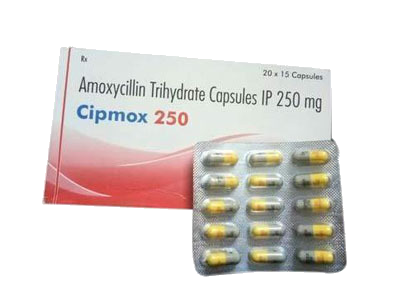
Product Overview
| Feature | Details |
|---|---|
| Product Name | Amoxicillin 250mg |
| Active Ingredient | Amoxicillin |
| Strengths Available | 500 mg, 250 mg, 875 mg, and 1000 mg |
| Dosage Forms | Oral capsules, tablets, or liquid suspension |
| Usage | Bacterial infections (respiratory, urinary, ear, skin, dental, etc.) |
| Typical Adult Dose | 250 mg every 8 to 12 hours (depending on infection) |
| Drug Interactions | Warfarin, oral contraceptives, other antibiotics |
| Duration of Treatment | Typically 7 to 10 days |
| Overdose Symptoms | Nausea, vomiting, diarrhea |
What is Amoxicillin 250mg?
Amoxicillin 250 mg is a widely prescribed antibiotic belonging to the penicillin class, used to treat various bacterial infections.
It works by inhibiting the bacterial cell wall synthesis, causing the bacteria to break down and die, making it effective against a broad range of gram-positive and gram-negative bacteria.
Commonly prescribed for infections such as respiratory tract infections (bronchitis, pneumonia), ear infections (otitis media), throat infections (tonsillitis, pharyngitis), urinary tract infections (cystitis), skin infections, and gastrointestinal infections like Helicobacter pylori, amoxicillin is known for its wide application and effectiveness.
The 250 mg dosage refers to the strength of the medication per tablet or capsule, and the specific dose depends on the severity of the infection, patient age, and kidney function.
It is important to complete the full course of the medication to prevent antibiotic resistance.
Side effects may include nausea, diarrhea, skin rash, and, in some cases, allergic reactions, especially in individuals allergic to penicillin or cephalosporins.
Serious allergic reactions such as anaphylaxis, though rare, require immediate medical attention.
Amoxicillin is generally well-tolerated, but as with any antibiotic, it should only be used under medical supervision to ensure its effectiveness and safety.
Discuss the role of amoxicillin 250mg?
Amoxicillin 250 mg plays a crucial role in the treatment of a wide range of bacterial infections.
- Treatment of Respiratory Infections: Amoxicillin is commonly prescribed for bacterial infections of the upper and lower respiratory tract, such as bronchitis, pneumonia, tonsillitis, and sinusitis. It is effective against common pathogens like Streptococcus pneumoniae and Haemophilus influenzae.
- Ear and Throat Infections: It is a first-line treatment for otitis media (middle ear infection) and pharyngitis, especially in children, helping to reduce symptoms and prevent complications.
- Urinary Tract Infections (UTIs): Amoxicillin is used to treat uncomplicated urinary tract infections caused by susceptible organisms like Escherichia coli.
- Skin and Soft Tissue Infections: It is effective for treating skin infections, such as cellulitis, caused by organisms like Staphylococcus aureus.
Which ingredients are present in Amoxicillin 250mg?
Active Ingredient:
Amoxicillin: The active pharmaceutical ingredient (API) is amoxicillin, present in a dose of 250 mg. It is an antibiotic from the penicillin class used to treat bacterial infections.
Inactive ingredients can vary depending on the manufacturer, but commonly include:
- Magnesium Stearate: A lubricant used in the manufacturing process to prevent the ingredients from sticking to the machinery.
- Microcrystalline Cellulose: A filler that helps to give the tablet or capsule shape and adds bulk.
- Colloidal Silicon Dioxide: An anti-caking agent that helps prevent clumping of the powder in capsules.
- Sodium Starch Glycolate: A disintegrant that helps the tablet break down in the digestive system for better absorption.
- Gelatin: Used for the capsule shell (if it’s a capsule formulation).
- Titanium Dioxide: Used as a whitening agent in the capsule or tablet coating.
- Colorants: Some manufacturers add colorants like Blue or Red, depending on the appearance of the capsule or tablet.
How should I take Amoxicillin 250 mg for maximum effectiveness?
To make sure ideal efficacy when utilizing 250 mg of amoxicillin:
- Follow the Doctor’s Prescription: Take amoxicillin exactly as suggested by your healthcare practitioner. The dosage, frequency, and duration are adjusted to your unique infection.
- Timing: Depending on the infection, amoxicillin is often taken every 8 or 12 hours. To keep the medicine at steady levels in your body, follow the recommended regimen.
- Amoxicillin may be taken any way: It is not necessary to take it with food. Nonetheless, taking it alongside a meal can assist lessen discomfort if it upsets your stomach.
- Finish the Whole Course: Take the drug as directed for the entire specified term, even if you begin to feel better. Giving up too soon increases the risk of drug resistance and illness recurrence.
- Prevent Missing Doses: Take the missed dose as soon as you recollect it. If your next dose is almost here, skip the one you missed and carry on as normal. Don’t take two doses to make up for it.
- Maintain Hydration: To aid your body’s efficient processing and absorption of the drug, sip on lots of water.
- How to Store It: Keep amoxicillin out of children’s reach, at room temperature, and away from heat and moisture.
What are the most common side effects of amoxicillin 250mg?
The most common side effects of amoxicillin 250mg include:
- Nausea
- Diarrhea
- Rash
- Vomiting
- Abdominal pain
- Headache
- Yeast infections (oral or vaginal)
- In rare cases, severe allergic reactions like anaphylaxis may occur, requiring immediate medical attention.
What precautions should be taken before starting amoxicillin 250mg?
Take seriously the following safety measures before beginning amoxicillin 250mg:
- Allergies: Let your doctor know if you have any allergies to cephalosporins, penicillin, or any other drugs.
- Medical History: Talk about any previous instances of mononucleosis, liver illness, or kidney disease (which can raise the risk of rash).
- Pregnancy and breastfeeding: Although amoxicillin is typically safe to take under supervision, it is important to inform your doctor if you are currently pregnant, intend to become pregnant, or are nursing a baby.
- Drug Interactions: Let your doctor know about any additional prescription drugs, dietary supplements, or herbal remedies you are using, particularly birth control pills or blood thinners like warfarin, as amoxicillin may lessen their effectiveness.
- History of Diarrhea: Tell your healthcare practitioner if you have ever experienced severe diarrhea associated with the use of antibiotics, such as Clostridium difficile.
- Finish the Course: Even if you begin to feel better, it is crucial that you finish the entire prescribed course.
What happens if I miss a dose of amoxicillin?
If you miss a dose of amoxicillin, follow these steps:
- Take it as soon as you remember: If it’s not too close to your next scheduled dose, take the missed dose immediately.
- Skip if close to the next dose: If it’s almost time for your next dose, skip the missed one and continue with your regular dosing schedule.
- Do not double the dose: Never take two doses at the same time to make up for a missed one, as this can increase the risk of side effects.
How to store the Amoxicillin 250mg
- Temperature: Store at room temperature, typically between 15°C to 30°C (59°F to 86°F).
- Light Protection: Keep in a dry, dark place, away from direct sunlight.
- Container: Store in the original, tightly closed container to protect from moisture.
- Child Safety: Keep out of reach of children and pets.
- Disposal: Follow local regulations for safe disposal do not flush down the toilet.
Frequently Asked Questions (FAQs)
-
- From where i can buy Amoxicillin 250mg?
Secure Health Mart provides shipping from India to US in 10-15 days and US to US in 3-4 days with guaranteed doorstep delivery.
-
- Can amoxicillin cause an allergic reaction?
Yes, some individuals may experience an allergic reaction to amoxicillin, including symptoms like hives, swelling, and difficulty breathing.
-
- Can amoxicillin treat stomach ulcers?
Yes, amoxicillin is used in combination with other medications to treat Helicobacter pylori infections, which cause stomach ulcers.
-
- Can I stop taking amoxicillin if I feel better?
No, it’s important to complete the full course to ensure the infection is fully treated and to prevent antibiotic resistance.
-
- How often should I take amoxicillin 250 mg?
Amoxicillin 250 mg is typically taken every 8 or 12 hours, depending on the type and severity of the infection.
-
- Can children take amoxicillin?
Yes, amoxicillin is commonly prescribed for children in adjusted doses depending on their age and weight.
-
- Can amoxicillin be taken with food?
Yes, amoxicillin can be taken with or without food, although taking it with food may reduce stomach upset.
-
- How long should I take amoxicillin for?
The duration of treatment varies depending on the infection but is typically between 7 to 10 days.
-
- Can I drink alcohol while taking amoxicillin?
While alcohol doesn’t directly interfere with amoxicillin’s effectiveness, it’s best to avoid alcohol as it may increase the risk of side effects like nausea.
-
- Is amoxicillin safe during pregnancy?
Amoxicillin is generally considered safe during pregnancy but should only be used under medical supervision.




There are no reviews yet.