



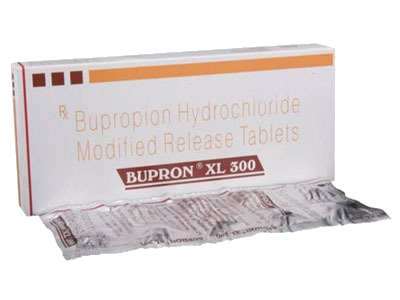
Product Overview
Bupropion Hydrochloride available in various strengths
| Feature | Details |
|---|---|
| Product Name | Bupropion Hydrochloride |
| Active Ingredient | Bupropion Hydrochloride |
| Administration | Oral, take with or without food, swallow whole |
| Dosage Form | Immediate-release (IR), sustained-release (SR), extended-release (XL) |
| Common Side Effects | Dry mouth, insomnia, headache, nausea, dizziness, increased sweating |
| Drug Interactions | May interact with monoamine oxidase inhibitors (MAOIs), other antidepressants, and medications that lower seizure threshold |
| Storage | Store at room temperature, away from moisture and light |
| Indications | Major depressive disorder, seasonal affective disorder, smoking cessation |
| Strength | Common uses |
| Immediate-Release (IR)-75 mg, 100 mg | Major depressive disorder, seasonal affective disorder, smoking cessation |
| Sustained-Release (SR)-100 mg, 150 mg, 200 mg | Major depressive disorder, smoking cessation |
| Extended-Release (XL)-150 mg, 300 mg, 400 mg | Major depressive disorder, seasonal affective disorder |
What is Bupropion Hydrochloride?
Bupropion Hydrochloride is an atypical antidepressant used to treat major depressive disorder (MDD), seasonal affective disorder (SAD), and for smoking cessation.
It differs from other antidepressants as it primarily affects dopamine and norepinephrine neurotransmitters, rather than serotonin.
By inhibiting the reuptake of these neurotransmitters, bupropion enhances mood, energy, and overall well-being.
Common side effects include insomnia, dry mouth, and headache.
It has a lower risk of sexual dysfunction and weight gain compared to many other antidepressants, making it an attractive option for patients.
However, bupropion carries a risk of seizures, especially in those with a history of eating disorders or at higher doses.
Bupropion is also approved for use in helping people quit smoking by reducing nicotine cravings and withdrawal symptoms.
It is crucial to follow prescribed dosing and consult a healthcare provider to avoid potential risks, such as drug interactions or overdose.
What are the benefits of Bupropion Hydrochloride?
Bupropion Hydrochloride offers several benefits, particularly in the treatment of depression and smoking cessation.
- Effective Antidepressant: Bupropion is effective in treating major depressive disorder (MDD) and can help alleviate symptoms such as sadness, lack of energy, and loss of interest in daily activities.
- Smoking Cessation Aid: It is approved for helping individuals quit smoking by reducing cravings and withdrawal symptoms, making it easier for people to stop using tobacco.
- Low Risk of Sexual Side Effects: Unlike many traditional antidepressants, especially SSRIs, Bupropion is less likely to cause sexual dysfunction, which can be a significant concern for patients.
- Weight Management: Bupropion is associated with weight loss or weight neutrality, making it a preferred option for individuals concerned about weight gain that may occur with other antidepressants.
- Stimulant Effect: Some patients report increased energy and motivation, as Bupropion can have a stimulating effect due to its action on dopamine and norepinephrine.
- Flexibility in Dosing: Bupropion is available in various formulations (immediate-release, sustained-release, and extended-release), allowing for personalized treatment based on patient needs and preferences.
- Treatment of Seasonal Affective Disorder (SAD): Bupropion is effective for individuals who experience depression related to seasonal changes, particularly during the winter months.
- Cognitive Enhancement: Some studies suggest that Bupropion may improve cognitive function and attention, which can be beneficial for patients with depression.
- Minimal Drug Interactions: Bupropion has fewer interactions with other medications compared to many other antidepressants, although caution is still necessary.
- Positive Tolerability Profile: Many patients tolerate Bupropion well, with side effects typically being mild and manageable.
What should you do if you miss a dose of Bupropion Hydrochloride?
If you miss a dose of Bupropion Hydrochloride.
- Take the Missed Dose: If you remember the missed dose within a few hours of your regular schedule, take it as soon as you remember.
- Skip the Dose if Close to Next Dose: If it’s almost time for your next scheduled dose, skip the missed dose and continue with your regular dosing schedule. Do not take two doses at the same time to make up for the missed dose, as this can increase the risk of side effects and complications, including seizures.
- Consult Your Healthcare Provider: If you miss doses frequently or are unsure what to do, talk to your healthcare provider. They may provide specific recommendations based on your treatment plan.
- Set Reminders: To help prevent missed doses in the future, consider setting reminders on your phone or using a pill organizer.
- Do Not Change the Dosage: Continue taking your prescribed dosage as directed by your healthcare provider, even if you miss a dose. Do not increase the dose to compensate for the missed one.
What are the common side effects of Bupropion Hydrochloride?
Bupropion Hydrochloride may cause a range of side effects.
- Insomnia: Difficulty sleeping is a frequent side effect, particularly with the extended-release formulations.
- Dry Mouth: Many individuals experience a dry mouth, which can be bothersome but is usually manageable.
- Headache: Headaches can occur, especially when starting the medication or adjusting the dose.
- Nausea: Some patients may experience nausea, which may decrease over time as the body adjusts to the medication.
- Dizziness: Bupropion can cause dizziness or lightheadedness, particularly when standing up quickly.
- Increased Sweating: Some individuals may notice an increase in sweating.
- Tremors: Mild tremors can occur in some patients.
- Anxiety: While it can help with depression, Bupropion may also increase anxiety in some individuals, particularly at higher doses.
- Loss of Appetite: Decreased appetite can lead to weight loss, which some patients may find beneficial.
- Weight Loss: Unlike many other antidepressants, Bupropion is associated with weight loss rather than weight gain.
- Constipation: Some patients may experience gastrointestinal issues like constipation.
- Fatigue: Although Bupropion can increase energy in some, it may also cause fatigue in others.
Bupropion Hydrochloride is available in various formulations.
Immediate-release (IR)
Sustained-release (SR) (often taken twice daily)
Extended-release (XL) (typically taken once daily)
What are the precautions of Bupropion Hydrochloride?
Precautions to consider when using Bupropion Hydrochloride:
- Seizure History: Avoid Bupropion in patients with a history of seizures or eating disorders (e.g., bulimia or anorexia), as it may increase the risk of seizures.
- Mental Health: Monitor for worsening depression or suicidal thoughts, especially in young adults and adolescents.
- Medication Interactions: Inform your healthcare provider of all medications, supplements, or herbal products you are taking to avoid potential interactions.
- Alcohol Use: Limit alcohol consumption, as it can increase the risk of seizures and worsen side effects.
- Liver and Kidney Function: Use cautiously in patients with liver or kidney impairment, as dose adjustments may be necessary.
- Hypertension: Monitor blood pressure regularly, especially in patients with a history of hypertension, as Bupropion can increase blood pressure.
- Pregnancy and Breastfeeding: Discuss potential risks and benefits with your healthcare provider if pregnant or breastfeeding.
- Allergic Reactions: Be aware of any signs of allergic reactions (e.g., rash, itching, swelling) and seek medical attention if they occur.
How to store the Bupropion Hydrochloride?
To store Bupropion Hydrochloride safely.
- Room Temperature: Store the medication at room temperature, typically between 20°C to 25°C (68°F to 77°F).
- Avoid Moisture: Keep the medication away from moisture and humidity. Avoid storing it in bathrooms or other areas prone to humidity.
- Light Protection: Store in a dark place, away from direct sunlight, as light exposure can degrade some medications.
- Childproof Container: Keep the medication in its original container with a secure, child-proof cap to prevent accidental ingestion by children.
- Check Expiration Date: Regularly check the expiration date and dispose of any expired medication properly.
- Do Not Refrigerate: Avoid storing Bupropion in the refrigerator unless specifically directed by a healthcare provider, as extreme temperatures can affect the medication’s effectiveness.
- Keep Away from Pets: Ensure that the medication is stored out of reach of pets as well.
Dosages and administration.
The dosage and administration of Bupropion Hydrochloride can vary depending on the condition being treated and the specific formulation (immediate-release, sustained-release, or extended-release).
Dosage for Depression (Major Depressive Disorder)
-
- Immediate-Release (IR):
- Initial Dose: 100 mg orally twice daily.
- Maintenance Dose: May be increased to 100 mg three times daily after at least 3 to 4 days, with a maximum daily dose of 400 mg.
- Sustained-Release (SR):
- Initial Dose: 150 mg orally once daily in the morning.
- Maintenance Dose: After 3 to 7 days, the dose may be increased to 200 mg once daily. The maximum dose is 400 mg per day, taken as 200 mg twice daily.
- Extended-Release (XL):
- Initial Dose: 150 mg orally once daily in the morning.
- Maintenance Dose: After 3 to 4 days, the dose may be increased to 300 mg once daily. The maximum dose is 400 mg per day.
- Dosage for Smoking Cessation
- Immediate-Release (IR):
Zyban (Bupropion for Smoking Cessation):
-
-
- Initial Dose: 150 mg orally once daily for 3 days.
- Maintenance Dose: Increase to 150 mg twice daily. Treatment should begin at least 1 week before the target quit date. The maximum daily dose is 300 mg.
- Administration
-
Take with or without food: Bupropion can be taken with or without food; however, taking it with food may help reduce gastrointestinal side effects.
Swallow whole: Extended-release and sustained-release tablets should be swallowed whole and not crushed, chewed, or broken to avoid altering the release mechanism.
Frequently Asked Questions (FAQs)
-
- From where i can buy Bupropion Hydrochloride?
Secure Health Mart provides shipping from India to US in 10-15 days and US to US in 3-4 days with guaranteed doorstep delivery.
-
- Can I take Bupropion with food?
Yes, Bupropion can be taken with or without food; however, taking it with food may help reduce gastrointestinal side effects.
-
- What happens if I overdose on Bupropion?
An overdose can be serious and may lead to seizures, so seek emergency medical help immediately if an overdose is suspected.
-
- Is Bupropion effective for seasonal affective disorder?
Yes, Bupropion is effective in treating seasonal affective disorder, particularly during the winter months.
-
- Does Bupropion interact with herbal supplements?
Yes, herbal supplements like St. John’s Wort can interact with Bupropion. Always inform your provider about any supplements.
-
- Can Bupropion cause insomnia?
Yes, insomnia is a common side effect, especially with extended-release formulations.
-
- Can I stop taking Bupropion suddenly?
Do not stop taking Bupropion suddenly without consulting your healthcare provider, as this can cause withdrawal symptoms.
-
- Can Bupropion cause weight loss?
Yes, Bupropion is associated with weight loss rather than weight gain, which can be beneficial for some patients.
-
- What should I avoid while taking Bupropion?
Avoid using other medications that lower the seizure threshold, as well as illegal drugs and excessive alcohol.
-
- How long does it take for Bupropion to work?
It may take several weeks (usually 4 to 6 weeks) to feel the full effects of Bupropion for depression.
There are no reviews yet.