



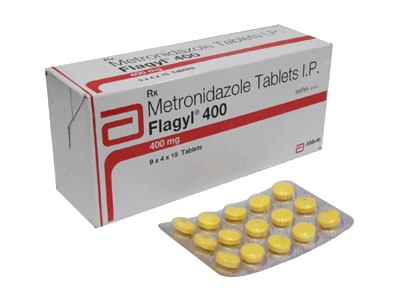
Product Overview
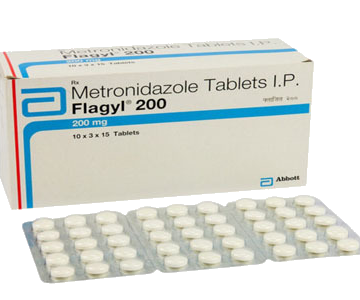
Flagyl 400mg available in various strengths
| Feature | Details |
|---|---|
| Product Name | Flagyl 400mg |
| Active Ingredient | Metronidazole |
| Administration | Take orally, usually with food. |
| Dosage Form | Oral tablet |
| Common Side Effects | Nausea, vomiting, diarrhea, dizziness, headache |
| Drug Interactions | Alcohol, lithium, cimetidine. |
| Duration of Treatment | Typically 5 to 10 days, depending on the infection. |
| Indications | Bacterial vaginosis, Trichomoniasis, Amoebiasis, Giardiasis |
| Strength | Common uses |
| 200 mg | Treating bacterial infections, amoebiasis, and giardiasis. |
| 400 mg | Treating bacterial vaginosis, trichomoniasis, and anaerobic infections. |
| 500 mg | Treating severe infections, such as complicated anaerobic infections. |
| 750 mg injectable | Used for severe infections, often in hospital settings. |
| 1 g injectable | Used for serious infections and surgical prophylaxis. |
What is the Flagyl 400mg?
Flagyl 400 mg is a brand name for a medication containing the active ingredient Metronidazole, which belongs to a class of drugs known as nitroimidazole antibiotics.
It is primarily used to treat various infections caused by anaerobic bacteria and protozoa.
Flagyl is effective against infections in areas where oxygen is limited, such as the gastrointestinal tract, reproductive system, and oral cavities.
Metronidazole works by penetrating the cells of anaerobic organisms, where it is reduced to its active form.
The drug then interacts with the DNA of the microorganisms, causing DNA strand breakage, which ultimately leads to cell death.
What is the active ingredient in Flagyl 400 mg?
The active ingredient in Flagyl 400 mg is Metronidazole, an antibiotic and antiprotozoal agent. Metronidazole belongs to the class of drugs known as nitroimidazoles, which are effective against infections caused by anaerobic bacteria and certain protozoa.
It works by penetrating the cells of microorganisms, where it is reduced to its active form.
This active form interacts with the DNA of the microbes, causing DNA strand breakage and inhibiting nucleic acid synthesis, which ultimately leads to the death of the microorganism.
Flagyl 400 mg is commonly used to treat a variety of infections, including bacterial vaginosis, trichomoniasis, amoebiasis, giardiasis, and certain types of intra-abdominal infections.
It is also used in surgical prophylaxis, particularly in surgeries with a high risk of anaerobic infection, such as colorectal procedures.
Additionally, Flagyl is effective in treating Clostridium difficile-associated diarrhea (CDAD).
Which types of infections is Flagyl 400 mg commonly used to treat?
Flagyl 400 mg (Metronidazole) is commonly used to treat a variety of infections caused by anaerobic bacteria and protozoa.
- Bacterial Vaginosis: A vaginal infection caused by an overgrowth of anaerobic bacteria.
- Trichomoniasis: A sexually transmitted infection caused by the protozoa Trichomonas vaginalis.
- Amoebiasis: An infection caused by Entamoeba histolytica, which affects the intestines and liver.
- Giardiasis: An intestinal infection caused by the protozoan Giardia lamblia, leading to diarrhea and abdominal pain.
- Intra-abdominal Infections: Such as peritonitis and abscesses caused by anaerobic bacteria.
- Pelvic Inflammatory Disease (PID): Infections of the female reproductive organs.
- Clostridium difficile-associated Diarrhea (CDAD): Metronidazole is used for mild to moderate cases.
- Surgical Prophylaxis: To prevent infection in surgeries involving the gastrointestinal or gynecological systems.
What is the recommended dosage and administration of Flagyl 400mg?
The recommended dosage and administration of Flagyl 400 mg vary based on the infection:
- Bacterial Vaginosis: 400 mg twice daily for 5-7 days.
- Trichomoniasis: 2 grams as a single dose or 400 mg twice daily for 7 days.
- Amoebiasis: 400-800 mg three times daily for 5-10 days.
- Giardiasis: 400 mg three times daily for 5 days.
- Anaerobic Infections: 400-500 mg every 8 hours for 7-10 days.
- Clostridium difficile-associated Diarrhea (CDAD): 400-500 mg three times daily for 10-14 days.
- Surgical Prophylaxis: 400 mg every 8 hours, starting 24 hours before surgery.
Always take Flagyl orally with meals and follow the healthcare provider’s instructions.
Describe the storage conditions for Flagyl 400 mg?
Storage conditions for Flagyl (Metronidazole) 400 mg tablets are as follows:
- Temperature: Store at room temperature, typically between 20°C and 25°C (68°F to 77°F). Short excursions are allowed between 15°C and 30°C (59°F to 86°F).
- Moisture: Keep the medication in a dry place, away from excessive humidity. Avoid storing it in bathrooms or other humid environments.
- Light: Protect from direct sunlight or bright light. Store the tablets in a dark, closed container.
- Original Packaging: Keep the tablets in their original blister pack or container to protect them from moisture and contamination until ready to use.
- Keep Away from Children: Store in a safe place, out of reach of children and pets.
What are the common side effects of Flagyl 400 mg?
The common side effects of Flagyl 400 mg (Metronidazole) include:
- Nausea and vomiting
- Metallic taste in the mouth
- Diarrhea or stomach discomfort
- Dizziness or headache
- Loss of appetite
- Dry mouth
- Dark urine (harmless but common)
- Rash or skin irritation
- Fatigue or feeling tired
Most side effects are mild and temporary, if you experience serious side effects like seizures, numbness, tingling in extremities, or signs of an allergic reaction (rash, itching, swelling, difficulty breathing), medical attention should be sought immediately.
What precautions should be taken while using Flagyl 400 mg?
When using Flagyl 400 mg (Metronidazole), the following precautions should be considered:
- Allergy: Inform your healthcare provider if you have a history of hypersensitivity to metronidazole or any other nitroimidazole antibiotics.
- Pregnancy and Breastfeeding: Use with caution during pregnancy, especially in the first trimester. Consult your doctor if breastfeeding, as metronidazole can pass into breast milk.
- Liver Disease: Patients with liver impairment may require dose adjustments or close monitoring, as metronidazole is primarily metabolized in the liver.
- Alcohol Consumption: Avoid alcohol during treatment and for at least 48 hours after completing the medication, as it can cause a disulfiram-like reaction, resulting in nausea, vomiting, and flushing.
- Neurological Conditions: Use cautiously in individuals with a history of seizures or neurological disorders, as metronidazole can potentially exacerbate these conditions.
- Drug Interactions: Inform your doctor about all medications, supplements, or herbal products you are taking to avoid potential interactions, particularly with anticoagulants like warfarin.
- Driving and Operating Machinery: Be cautious when driving or operating machinery if you experience dizziness or drowsiness as side effects.
- Long-term Use: Prolonged use of metronidazole can lead to peripheral neuropathy; therefore, it should be monitored if used for extended periods.
Always consult a healthcare professional for personalized advice and guidance regarding the use of Flagyl.
What are the potential drug interactions with Flagyl 400 mg?
Flagyl 400 mg (Metronidazole) can interact with several medications, potentially affecting their effectiveness or increasing the risk of side effects.
- Alcohol: Concurrent use can lead to a disulfiram-like reaction, resulting in nausea, vomiting, flushing, and palpitations. It’s advised to avoid alcohol during treatment and for at least 48 hours after completing the medication.
- Anticoagulants (e.g., Warfarin): Metronidazole can enhance the anticoagulant effects, increasing the risk of bleeding. Monitoring of INR (International Normalized Ratio) may be necessary.
- Lithium: Metronidazole may increase lithium levels in the body, raising the risk of lithium toxicity. Monitoring of lithium levels is recommended.
- Cimetidine: This medication can inhibit the metabolism of metronidazole, leading to increased plasma levels of metronidazole and a higher risk of side effects.
- Other Antibiotics: Certain antibiotics may interact with metronidazole, either enhancing or diminishing its effectiveness.
- Antifungal Agents: Medications like fluconazole may alter the metabolism of metronidazole, potentially increasing its effects.
- Phenytoin and Phenobarbital: These medications may reduce the effectiveness of metronidazole by increasing its metabolism.
- Mycophenolate Mofetil: There is a potential interaction that may reduce the effectiveness of mycophenolate.
Frequently Asked Questions (FAQs)
-
- From where i can buy Flagyl 400 mg?
Secure Health Mart provides shipping from India to US in 10-15 days and US to US in 3-4 days with guaranteed doorstep delivery.
-
- How often should Flagyl be taken?
Typically, it is taken 2 to 3 times daily, depending on the condition being treated.
-
- Can I take Flagyl if I have a history of seizures?
Use with caution and under medical supervision if you have a history of seizures.
-
- How quickly does Flagyl start to work?
Some improvement may be seen within a few days, but full treatment should be completed.
-
- Can Flagyl be used for skin infections?
It is not typically used for skin infections unless caused by anaerobic bacteria.
-
- Is there any specific diet to follow while taking Flagyl?
No specific diet is required, but avoid alcohol and heavy foods that may upset your stomach.
-
- Does Flagyl cause dark urine?
Yes, dark urine can occur and is usually harmless.
-
- What should I do if I overdose on Flagyl?
Seek emergency medical attention immediately if an overdose is suspected.
-
- Can I take Flagyl with other medications?
Some medications can interact with Flagyl, so inform your doctor about all medications you are taking.
-
- Is Flagyl safe during pregnancy?
It should be avoided in the first trimester but may be used later under a doctor’s guidance.


There are no reviews yet.