



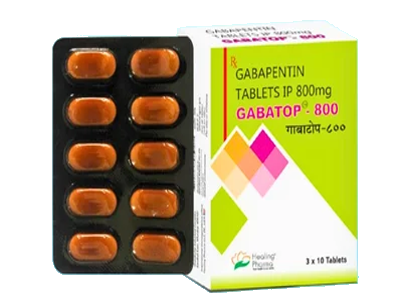
What is Gabatop 800mg tablet?
The active component of the drug Gabatop 800 mg is gabapentin. As an anticonvulsant, gabapentin is mainly used to treat neuropathic pain and seizures. Patients who need a more effective treatment for their diseases would benefit most from this higher dosage formulation. This article examines the applications, advantages, risks, safety measures, and crucial factors pertaining to gabatop 800 mg.
The central nervous system’s voltage-gated calcium channels are the main mechanism by which gabapentin functions. It binds to these channels’ alpha-2-delta subunit, inhibiting the release of excitatory neurotransmitters such substance P and glutamate. By lessening the overactivity of nerve signals, this process lowers the sense of pain and the ability to manage seizures.
Gabapentin was initially approved by the U.S. Food and Drug Administration (FDA) in 1993 as an adjunctive treatment for partial seizures in adults and children aged three years and older. Its approval marked a significant milestone in the treatment of epilepsy, particularly for patients who did not respond well to traditional antiepileptic drugs.
What are the compositions present in Gabatop 800mg tablet?
The primary component of Gabatop 800 mg is:
Gabapentin (800 mg): This is the active pharmaceutical ingredient responsible for its therapeutic effects. Gabapentin works by stabilizing electrical activity in the brain and modulating neurotransmitter release, which helps manage pain and prevent seizures.
In addition to the active ingredient, the tablet may contain various inactive ingredients (excipients) to aid in its formulation, such as:
- lactose monohydrate
- Glucose (as a disintegrant or binder)
- Magnesium stearate or talc (used as a lubricant)
- The act of coloring agents, which vary based on the producer
- Stable agents or preservatives
What are the dosing and administration route of Gabatop 800mg tablet?
Gabatop 800 mg is typically taken orally. The dosage is determined by the healthcare provider based on the patient’s medical condition, response to treatment, and overall health status. Common dosing guidelines include:
- Neuropathic Pain: The initial dose may start at 300 mg per day, with gradual increases to a maximum of 1800 mg per day or higher based on tolerance and efficacy.
- Seizure Disorders: The initial dosage often begins at 300 mg on the first day, increasing to a maximum dose of 2400 mg to 3600 mg per day, divided into three doses.
- Restless Legs Syndrome: Dosing can vary and should be tailored to individual needs.
It is important to follow the prescribed regimen and not to alter the dosage without consulting a healthcare provider.
What are the indications of Gabatop 800mg Tablet?
Gabatop 800 mg tablet has various medicinal advantages, mostly because of gabapentin, which is its active constituent. The main advantages are as follows:
- Gabapentin is effective in managing nerve pain resulting from conditions such as diabetic neuropathy, postherpetic neuralgia (pain following shingles), and other types of neuropathy.
- Gabatop is used as an adjunct therapy for partial-onset seizures in adults and children aged three years and older. It helps control seizures by stabilizing electrical activity in the brain.
- Gabapentin may be prescribed off-label for managing symptoms associated with RLS, providing relief from discomfort and the urge to move the legs.
What adverse effects can be seen after taking Gabatop 800mg tablet?
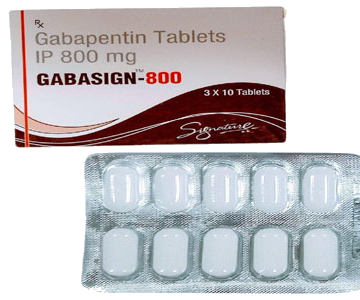
Following the use of Gabasign 800mg Tablets (Gabapentin), the following adverse effects are possible:
- Gastrointestinal Issues
- Fatigue
- Peripheral edema
- Vomiting or Nausea
- Coordination Problems
- Mood Changes
- Dry Mouth
- Weight Gain
What happen when we take Gabatop 800mg with other medicine
Interactions between Gabatop 800mg (gabapentin) and other drugs can include the following:
- CNS Depressants:Examples: Opioids (e.g., morphine, oxycodone), benzodiazepines (e.g., diazepam, lorazepam), alcohol, antihistamines (e.g., diphenhydramine), and muscle relaxants.
Interaction Effects: Concurrent use can lead to enhanced central nervous system (CNS) depressant effects, such as increased sedation, drowsiness, respiratory depression, and impaired coordination. Careful monitoring and dosage adjustments may be necessary. - Antacids:Examples: Medications containing aluminum or magnesium (e.g., Maalox, Mylanta).
Interaction Effects: Antacids can interfere with the absorption of gabapentin when taken simultaneously. It is recommended to separate doses by at least two hours to minimize this interaction. - Alcohol: Alcohol can enhance the sedative effects of gabapentin, increasing the risk of drowsiness, dizziness, and impaired judgment. It is advisable to limit or avoid alcohol consumption while taking Gabatop.
- Increased Side Effects: Mixing drugs might make side effects like disorientation or dizziness worse.
To ensure safety, always get medical advice before combining drugs.
What are the precautions we should take before taking Gabatop 800mg tablet?
Before using Gabatop 800 mg tablet, take into account the following safety measures:
- Inform the healthcare provider about any allergies to gabapentin or other components.
- Disclose any history of kidney disease, liver issues, mental health disorders, or substance abuse.
- Discuss the risks and benefits with a healthcare provider if pregnant, planning to become pregnant, or breastfeeding.
- Dosage adjustments may be necessary for patients with renal impairment, as gabapentin is primarily excreted by the kidneys.
- Patients should be cautious when driving or operating heavy machinery until they know how Gabatop affects them, as it can cause dizziness or drowsiness.
Storage
Gabatop 800 mg tablet should be stored under the following conditions:
Temperature: Keep the tablets at room temperature, typically between 20°C to 25°C (68°F to 77°F).
Humidity Store in a dry place, away from moisture and humidity, to maintain the tablet’s effectiveness.
Light: Protect the medication from direct sunlight and excessive light.
Container: Keep the tablets in their original packaging or container, tightly closed, to prevent contamination.
Children: Store out of reach of children and pets to prevent accidental ingestion.
Always check the product packaging for specific storage instructions and expiration dates.
There are no reviews yet.