



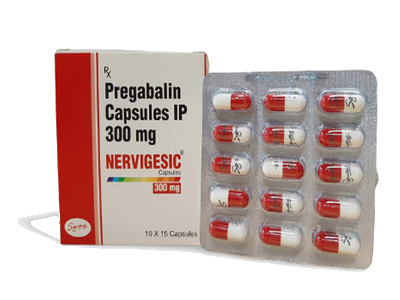
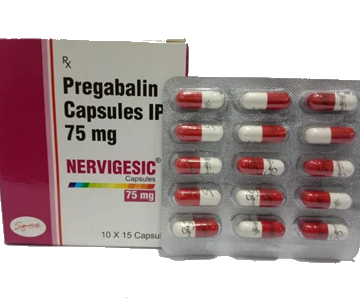
What is Nervigesic 300mg tablet?
For the treatment of neuropathic pain, fibromyalgia, and some seizure disorders, among other nerve-related pain illnesses, a 300 mg tablet called Nervigesic is frequently recommended. Pregabalin, the medication’s active component, controls the activity of nerve impulses in the brain and spinal cord, which helps to lessen aberrant nerve activity or the perception of pain.
The central nervous system’s calcium channels are modulated by nervigesic 300 mg. Its active component, pregabalin, binds to the voltage-gated calcium channel alpha-2-delta subunit in neurons.
As a result, less excitatory neurotransmitters are released, such as substance P, glutamate, norepinephrine, and calcitonin gene-related peptide (CGRP). Nervigesic helps to reduce pain, anxiety, and seizure activity by decreasing the excessive release of these neurotransmitters, which in turn calms hyperactive nerve signals.
Nervigesic’s history is closely linked with the development of pregabalin, a key medication for neuropathic pain and related conditions. From its discovery in the 1990s to its approval and widespread use today, Nervigesic has played a crucial role in managing chronic pain, anxiety, and seizures. The drug’s continued presence as a generic alternative ensures that it remains an affordable and accessible option for patients across the world.
Today, Nervigesic continues to be a widely used medication for managing nerve-related pain and other conditions. Research on pregabalin’s potential uses and safety profile continues, with studies focusing on its long-term effects, potential off-label uses, and comparisons with newer drugs in the same category.
What type of pain is Nervigesic 300 mg commonly used to treat?
Neuropathic pain is the main indication for the medication Nervigesic 300 mg, which includes the active component pregabalin.
Damage or dysfunction to the neurological system can result in neuropathic pain, which is characterized by persistent, frequently incapacitating suffering.
This kind of pain is commonly linked to diseases like postherpetic neuralgia, a painful side effect of shingles, and diabetic neuropathy, in which elevated blood sugar levels damage nerves.
The burning, tingling, or shooting sensations that are common with nerve-related pain are lessened with the use of nervigesic.
Nervigesic 300 mg is given for other chronic pain syndromes, such as fibromyalgia, which is characterized by widespread muscular pain and soreness, in addition to its efficacy in treating neuropathic pain.
Patients with fibromyalgia frequently report weariness, sleep difficulties, and discomfort throughout their bodies.
Which active ingredients are present in Nervigesic 300mg tablet?
Nervigesic 300 mg tablet contains the active substance pregabalin, which is often prescribed to treat neuropathic pain, seizures, and specific anxiety disorders.
Pregabalin functions by regulating the release of neurotransmitters in the central nervous system and is categorized as an anticonvulsant.
It inhibits the release of excitatory neurotransmitters like glutamate, substance P, and norepinephrine, which are important in sending pain signals and seizure activity, by attaching to particular calcium channels on neurons.
The main uses of pregabalin are to treat fibromyalgia, a chronic pain syndrome marked by exhaustion and extensive discomfort, as well as neuropathic pain linked to diseases including diabetic neuropathy and postherpetic neuralgia.
Adults with partial seizures can also benefit from it as an adjuvant treatment.
For patients with these disorders, pregabalin considerably improves quality of life by reducing seizure frequency and relieving pain.
Usually, the 300 mg dosage is provided based on the severity of the ailment and each patient’s response, enabling medical professionals to efficiently customize treatment regimens.
All things considered, pregabalin is a flexible drug that treats a variety of neurological and pain-related conditions.
How is Nervigesic 300 mg taken by patients (e.g., orally or injection)?
Nervigesic 300 mg is taken orally. Patients typically swallow the tablet whole with a glass of water. It can be taken with or without food, but it’s important to follow the specific instructions provided by a healthcare professional. The dosage and frequency of administration may vary based on the patient’s medical condition and response to treatment, so it’s crucial to adhere to the prescribed regimen for optimal effectiveness.
What is the correct dose of Nervigesic 300mg tablet?
Nervigesic 300 mg (Pregabalin) dosage should be determined by the specific ailment being treated as well as the patient. Nonetheless, the following is a broad dose guideline:
- Neuropathic Pain: Two or three doses of 150 mg per day are often administered as a starting dose. After a week, if necessary, this can be raised to 300 mg per day, with a 600 mg daily maximum.
- Fibromyalgia: Depending on the patient’s response and tolerance, a starting dose of 300 mg per day may be increased to a maximum of 450 mg per day.
- Partial Seizures: The first dose of adjuvant therapy for adults is usually 150 mg daily; this can be changed based on tolerability and efficacy.
Should Nervigesic 300 mg be stopped suddenly or gradually?
Pregabalin, nervegesic 300 mg, should usually be discontinued gradually as rather than suddenly. When a medicine is abruptly stopped, withdrawal symptoms such as increased anxiety, sleeplessness, nausea, discomfort, and sweating might occur.
A slow tapering of the dose is usually recommended by healthcare practitioners to reduce the danger of withdrawal effects. This entails gradually lowering the dosage over time so that the body can become used to the adjustments. The prescribing healthcare provider should decide on the precise tapering timetable based on the unique circumstances of each patient, taking into account the underlying medical issues, length of treatment, and current dose.
Is Nervigesic 300 mg safe to use with alcohol?
No, it is generally not safe to use Nervigesic 300 mg (Pregabalin) with alcohol. Combining Nervigesic with alcohol can increase the risk of adverse effects, such as:
- Increased Sedation
- Respiratory Depression
- Increased Risk of Side Effects
- Worsening of Medical Conditions
What problems can occur due to overdose?
A 300 mg overdose of Nervigesic (pregabalin) can result in several major health issues. The following are a few possible overdose effects:
- Depression of the central nervous system: This can appear as excessive sleepiness, sedation, or lethargic behavior. In addition to having trouble remaining awake, patients may experience respiratory depression.
- Disorientation and Confusion: An overdose may cause disorientation, a change in mental condition, or trouble focusing.
- Dizziness and Impaired Coordination: Patients may suffer from severe vertigo, imbalance issues, and coordination issues, which raises the possibility of falls and injury.
- Visual Disturbances: Some people may experience other visual abnormalities, such as blurred vision.
- Problems with the Respiratory System: In extreme situations, an overdose may result in respiratory depression, which can impair breathing or lower breathing rate.
What should a patient do if they miss a dose of Nervigesic 300 mg?
If a patient misses a dose of Nervigesic 300 mg (Pregabalin), they should take the missed dose as soon as they remember, unless it’s close to the time for the next scheduled dose.
In that case, they should skip the missed dose and resume their regular dosing schedule without taking two doses at once.
If missed doses happen frequently, the patient should consult their healthcare provider for strategies to improve adherence.
It’s important to follow the prescribed dosing schedule consistently to ensure the medication’s effectiveness.
What precautions do we have to take before taking Nervigesic 300mg tablet?
Prior to utilizing Nervigesic 300mg tablet, take into account the following safety measures:
- Allergies: If you have any allergies to gabapentin or any other ingredients in the pill, let your doctor know.
- Medical History: Tell us about all of your medical history, particularly if you have a history of substance misuse, depression, liver issues, or kidney
disease. - Pregnancy and nursing: If you are currently nursing or intend to become pregnant, talk to your doctor about the possible hazards.
- Other Medications: To prevent interactions, include a list of all the drugs, vitamins, and herbal remedies you presently take.
- Dosage Adjustments: If you have renal impairment or other medical issues, your doctor may need to modify your dosage.
What side effects can be seen after taking Nervigesic 300mg tablet?
Following the use of Nervigesic 300mg Tablets (Gabapentin), the following adverse effects are possible:
- Drowsiness
- Dizziness
- Peripheral edema
- Vomiting or Nausea
- Mood Changes
- Dry Mouth
- Weight Gain
Storage
Nervigesic 300mg tablet should be stored under the following conditions:
Temperature: Keep the tablets at room temperature, typically between 20°C to 25°C (68°F to 77°F).
Humidity Store in a dry place, away from moisture and humidity, to maintain the tablet’s effectiveness.
Light: Protect the medication from direct sunlight and excessive light.
Container: Keep the tablets in their original packaging or container, tightly closed, to prevent contamination.
Children: Store out of reach of children and pets to prevent accidental ingestion.
Always check the product packaging for specific storage instructions and expiration dates.
admin
/It is a long established fact that a reader will be distracted by the readable content of a page when looking at its layout web page editors now distribution use Lorem Ipsum.