



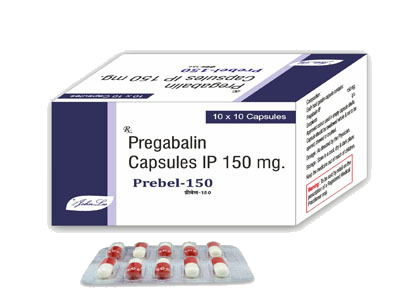
What is Pregabalin 150mg, and how does it work in the treatment of neuropathic pain?
Pregabalin 150 mg is an anticonvulsant and neuropathic pain agent used to treat various conditions, including neuropathic pain, epilepsy, fibromyalgia, and generalized anxiety disorder (GAD).
It is a derivative of gamma-aminobutyric acid (GABA), although it does not directly affect GABA receptors.
Pregabalin works by binding to the α2δ subunit of voltage-gated calcium channels in the central nervous system.
This binding reduces the release of several excitatory neurotransmitters, such as glutamate, norepinephrine, and substance P.
By inhibiting the release of these neurotransmitters, Pregabalin decreases the abnormal neuronal excitability that leads to neuropathic pain.
Which active ingredients are present in Pregabalin 150mg tablet?
The active ingredient present in a Pregabalin 150 mg tablet is Pregabalin itself, which is the primary pharmacologically active component responsible for its therapeutic effects.
In addition to the active ingredient, the tablet may also contain various inactive ingredients or excipients (though these are not pharmacologically active), which can include substances such as:
- Lactose monohydrate
- Maize starch
- Talc
- Gelatin
- Titanium dioxide (for coloring)
- Sodium starch glycolate
- Magnesium stearate
What are the approved therapeutic indications for Pregabalin 150 mg?
Neuropathic pain is the main indication for the medication Pregabalin 150 mg, which includes the active component pregabalin.
Damage or dysfunction to the neurological system can result in neuropathic pain, which is characterized by persistent, frequently incapacitating suffering.
This kind of pain is commonly linked to diseases like postherpetic neuralgia, a painful side effect of shingles, and diabetic neuropathy, in which elevated blood sugar levels damage nerves.
The burning, tingling, or shooting sensations that are common with nerve-related pain are lessened with the use of Pregabalin 150 mg.
Pregabalin 150 mg is given for other chronic pain syndromes, such as fibromyalgia, which is characterized by widespread muscular pain and soreness, in addition to its efficacy in treating neuropathic pain.
Patients with fibromyalgia frequently report weariness, sleep difficulties, and discomfort throughout their bodies.
Generalized Anxiety Disorder (GAD): It is indicated for the treatment of generalized anxiety disorder in adults.
What is the correct dose of Pregabalin 150mg tablet?
The correct dose of Pregabalin 150 mg varies based on the condition:
- Neuropathic pain & Fibromyalgia: Start at 75 mg twice daily, increase to 150 mg twice daily as needed. Maximum: 600 mg/day.
- Epilepsy: Start at 75 mg twice daily, increase to 150 mg twice daily. Maximum: 600 mg/day.
- Generalized Anxiety Disorder (GAD): Start at 75 mg twice daily, increase to 150 mg twice daily. Maximum: 300 mg/day.
Doses may require adjustment for renal impairment. Always follow medical advice for personalized dosing.
How is Pregabalin 150 mg administered?
Pregabalin 150 mg is administered orally, typically in the form of a capsule or tablet. It is taken as follows:
- Swallowed whole with water.
- Can be taken with or without food.
- Usually prescribed twice daily (morning and evening) or as directed by a healthcare provider.
The dosing schedule depends on the condition being treated, and it is important to take it consistently at the same times each day to maintain stable levels in the body.
What should patients avoid while taking Pregabalin 150 mg?
While taking Pregabalin 150 mg, patients should avoid the following:
- Alcohol: It can enhance the sedative effects of Pregabalin, increasing drowsiness, dizziness, and the risk of impaired motor function.
- Driving or operating heavy machinery: Pregabalin can cause drowsiness, dizziness, and blurred vision, which may impair your ability to perform tasks that require alertness.
- Other central nervous system (CNS) depressants: Avoid combining Pregabalin with medications like opioids, sedatives, or benzodiazepines, as it may increase the risk of excessive sedation or respiratory depression.
- Sudden discontinuation: Abruptly stopping Pregabalin can cause withdrawal symptoms. Always taper off the medication under the supervision of a healthcare provider.
- Pregnancy (without medical advice): Pregabalin may not be safe during pregnancy unless specifically recommended by a doctor.
Patients should follow their healthcare provider’s advice and inform them about any other medications or supplements they are taking.
What problems can occur due to overdose?
Pregabalin overdose can cause a number of dangerous side effects and symptoms. Dizziness, disorientation, and tiredness are typical side effects. Sedation, agitation, unresponsiveness, and slurred speech are possible side effects of an overdose in more extreme situations.
It is also possible to experience respiratory depression, particularly in conjunction with other CNS depressants such as alcohol or narcotics.
Additional possible complications include bradycardia, convulsions, and coma. In overdose cases, prompt medical assistance is necessary to avoid potentially fatal consequences. Depending on the severity of the symptoms, treatment options may include stomach lavage or supportive care.
What happen when we take Pregabalin 150mg with other medicine
Taking Pregabalin 150 mg with other medications can lead to significant interactions.
Combining it with CNS depressants like alcohol, benzodiazepines, or opioids can enhance drowsiness, dizziness, and respiratory depression.
Co-administration with antiepileptic drugs may increase sedation effects. Diuretics might raise the risk of edema, while using it alongside MAO inhibitors could heighten the risk of serotonin syndrome.
In patients with renal impairment, other medications affecting kidney function may necessitate dosage adjustments to avoid toxicity.
Always consult a healthcare provider before combining Pregabalin with any other medications to ensure safety.
What are the most common adverse effects associated with Pregabalin 150 mg?
the following adverse effects are possible:
- Drowsiness
- Dizziness
- Peripheral edema
- Vomiting or Nausea
- Mood Changes
- Dry Mouth
- Weight Gain
How should Pregabalin 150 mg be stored?
Pregabalin 150mg tablet should be stored under the following conditions:
Temperature: Keep the tablets at room temperature, typically between 20°C to 25°C (68°F to 77°F).
Humidity Store in a dry place, away from moisture and humidity, to maintain the tablet’s effectiveness.
Light: Protect the medication from direct sunlight and excessive light.
Container: Keep the tablets in their original packaging or container, tightly closed, to prevent contamination.
Children: Store out of reach of children and pets to prevent accidental ingestion.
Always check the product packaging for specific storage instructions and expiration dates.




There are no reviews yet.