



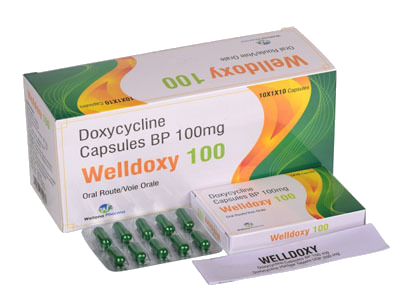
Product Overview
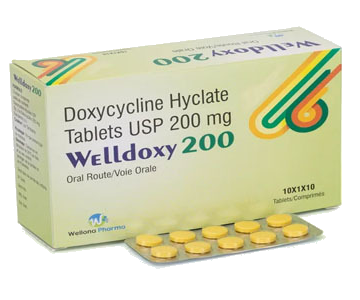
Doxycycline 100mg available in various strengths
| Feature | Details |
|---|---|
| Product Name | Doxycycline 100mg |
| Active Ingredient | Doxycycline Hyclate |
| Administration | Take with a full glass of water; can be taken with or without food |
| Shelf Life | Typically 2-3 years from the date of manufacture |
| Common Side Effects | Nausea, vomiting, diarrhea, photosensitivity, headache |
| Drug Interactions | Antacids, calcium, iron supplements, warfarin, barbiturates |
| Indications | Bacterial infections (e.g., respiratory, skin, urinary tract) |
| Storage Requirements | Store at room temperature, away from moisture and direct sunlight |
| Strength | Common uses |
| 20 mg | Mild infections, acne |
| 50 mg | Moderate infections, acne |
| 100 mg | Severe infections, respiratory infections |
| 150 mg | Severe infections |
| 100 mg/5 mL | Pediatric use for infections |
What is Doxycycline 100 mg, and what are its primary uses in medicine?
Doxycycline 100 mg is a broad-spectrum antibiotic belonging to the tetracycline class.
It is used to treat a variety of bacterial infections, including respiratory tract infections (such as pneumonia), skin infections, urinary tract infections, and certain sexually transmitted infections (like chlamydia).
Doxycycline is also effective against atypical bacteria and some protozoal infections, making it valuable for treating conditions such as malaria and Lyme disease.
Primary Uses in Medicine
- Bacterial Infections: Treats a variety of bacterial infections, including:
- Respiratory tract infections (e.g., pneumonia, bronchitis)
- Skin infections (e.g., acne, cellulitis)
- Urinary tract infections (UTIs)
- Sexually Transmitted Infections (STIs): Effective against STIs such as chlamydia and gonorrhea.
- Atypical Infections: Treats infections caused by atypical bacteria, such as Mycoplasma and Chlamydia.
- Protozoal Infections: Used in the treatment of malaria, often in combination with other antimalarial medications.
- Preventive Measures: Used prophylactically to prevent malaria in travelers to endemic areas.
- Lyme Disease: Effective in treating Lyme disease and certain tick-borne infections.
- Acne: Prescribed for moderate to severe acne due to its anti-inflammatory properties.
- Periodontal Disease: Sometimes used as part of treatment for periodontal (gum) disease.
What is the recommended dosage and administration of Doxycycline 100 mg for adults?
The recommended dosage of Doxycycline 100 mg for adults varies depending on the specific condition being treated.
Generally, the initial dosage for most infections is one 100 mg tablet taken orally every 12 hours on the first day of treatment.
Following this, the dosage is typically reduced to 100 mg taken once daily for the remainder of the treatment period.
For certain infections, such as severe infections or atypical pneumonia, higher doses may be prescribed, starting with 100 mg every 12 hours, then adjusting based on clinical response.
It is crucial to take Doxycycline with a full glass of water to help prevent esophageal irritation and to minimize gastrointestinal side effects.
Patients should ideally take the medication at least one hour before or two hours after consuming dairy products or antacids containing calcium, magnesium, or aluminum, as these can interfere with absorption.
Doxycycline can be taken with or without food: taking it with food may reduce the risk of stomach upset.
Treatment duration varies depending on the infection, ranging from a few days to several weeks, and should be followed as directed by a healthcare provider to ensure effectiveness and minimize resistance.
Which ingredients are present in Doxycycline 100mg?
Active Ingredient: Doxycycline Hyclate: This is the active pharmaceutical ingredient responsible for the antibiotic effects.
Inactive ingredients can vary by manufacturer but commonly include:
- Lactose Monohydrate: Used as a filler.
- Microcrystalline Cellulose: A binder and filler.
- Croscarmellose Sodium: A disintegrant that helps the tablet dissolve.
- Magnesium Stearate: An anti-caking agent and lubricant.
- Silicon Dioxide: A flow agent.
- Coloring Agents: Such as titanium dioxide, which may be used in the tablet coating.
- Coating Agents: For example, Hypromellose, used to create the tablet coating.
How should Doxycycline 100 mg be stored, and what is its shelf life?
Storage Instructions
-
- Temperature: Store Doxycycline 100 mg at room temperature, typically between 20°C to 25°C (68°F to 77°F).
- Humidity: Keep the medication in a dry place to avoid moisture.
- Light Exposure: Protect from direct sunlight and light; store in the original container or packaging.
- Child Safety: Ensure the medication is kept out of reach of children and pets to prevent accidental ingestion.
- Avoid Bathrooms: Do not store Doxycycline in the bathroom, as humidity can affect the medication’s stability.
Shelf Life
- Typical Shelf Life: Doxycycline usually has a shelf life of about 2 to 3 years from the date of manufacture.
- Expiration Date: Always check the expiration date printed on the packaging before use.
- Disposal: Dispose of any expired or unused Doxycycline properly, following local regulations or pharmacy guidelines.
What precautions should be taken while using Doxycycline 100 mg?
The precautions to take while using Doxycycline 100 mg:
- Allergy History: Inform your healthcare provider if you have a known allergy to tetracycline antibiotics or any other medications.
- Pregnancy and Lactation: Avoid using Doxycycline during pregnancy, especially in the second and third trimesters, as it can affect fetal bone development and discolor teeth. Consult your doctor if you are breastfeeding, as it can pass into breast milk.
- Children: Do not use Doxycycline in children under the age of 8 years, as it may cause permanent discoloration of teeth and affect bone growth.
- Photosensitivity: Be cautious about sun exposure, as Doxycycline can increase the risk of sunburn. Use sunscreen and protective clothing when outdoors.
- Gastrointestinal Conditions: If you have a history of gastrointestinal diseases, especially colitis, use Doxycycline with caution and under medical supervision.
- Renal and Hepatic Impairment: Patients with liver or kidney problems should be closely monitored, and dosage adjustments may be necessary.
- Drug Interactions: Inform your healthcare provider about all medications and supplements you are taking, as Doxycycline can interact with antacids, calcium, iron supplements, and certain anticoagulants.
- Complete the Course: Always complete the prescribed course of Doxycycline, even if you start feeling better, to prevent antibiotic resistance.
- Avoid Certain Foods: Take Doxycycline with a full glass of water, and avoid dairy products, calcium, magnesium, or iron supplements close to the time of taking the medication, as they can interfere with absorption.
What are the potential drug interactions with Doxycycline 100 mg?
the potential drug interactions with Doxycycline 100 mg:
- Antacids: Aluminum, magnesium, and calcium can reduce Doxycycline absorption; take them 1-2 hours apart.
- Calcium Supplements: Can bind to Doxycycline and decrease its effectiveness; avoid taking together.
- Iron Supplements: Interfere with absorption; separate doses by at least 2 hours.
- Warfarin: Doxycycline may enhance its anticoagulant effects, increasing bleeding risk; monitor INR levels.
- Barbiturates: May increase Doxycycline metabolism, reducing its effectiveness.
- Antiepileptics: Medications like phenytoin and carbamazepine can lower Doxycycline levels.
- Oral Contraceptives: May reduce their effectiveness; consider additional contraceptive methods.
- Retinoids: Increased risk of intracranial hypertension when used together.
- Methoxyflurane: Can increase nephrotoxicity risk when combined.
What are the side effects of Doxycycline 100 mg?
The side effects of Doxycycline 100 mg:
Common Side Effects
-
- Gastrointestinal Issues: Nausea, vomiting, diarrhea, abdominal pain, and loss of appetite.
- Photosensitivity: Increased sensitivity to sunlight, leading to sunburn.
- Allergic Reactions: Rash, itching, and hives.
- Esophageal Irritation: Discomfort or difficulty swallowing.
- Headache: Mild to moderate headaches.
Serious Side Effects
- Severe Allergic Reactions: Anaphylaxis, difficulty breathing, swelling of the face or throat.
- Intracranial Hypertension: Severe headache, blurred vision, dizziness.
- Liver Damage: Jaundice, dark urine, persistent nausea.
- Clostridium difficile Infection: Severe diarrhea due to antibiotic use.
- Tooth Discoloration: Permanent staining in children and during pregnancy.
Frequently Asked Questions (FAQs)
-
- From where i can buy Doxycycline 100mg?
Secure Health Mart provides shipping from India to US in 10-15 days and US to US in 3-4 days with guaranteed doorstep delivery.
-
- How long does it take for Doxycycline to start working?
Doxycycline usually starts working within a few hours, but it may take a few days to see significant improvement in symptoms.
-
- Can Doxycycline be used for acne treatment?
Yes, Doxycycline is often prescribed for moderate to severe acne due to its antibacterial and anti-inflammatory properties.
-
- What should I avoid while taking Doxycycline?
Avoid excessive sun exposure, tanning beds, dairy products, antacids, and iron supplements close to the time of taking Doxycycline.
-
- Can I stop taking Doxycycline when I feel better?
No, it’s important to complete the entire prescribed course of Doxycycline, even if you feel better, to prevent antibiotic resistance.
-
- What should I do if I experience severe side effects?
If you experience severe side effects such as difficulty breathing, swelling, or severe headache, seek medical attention immediately.
-
- Is Doxycycline safe for children?
Doxycycline is not recommended for children under 8 years old due to the risk of permanent tooth discoloration and effects on bone growth.
-
- Can I drink alcohol while taking Doxycycline?
While moderate alcohol consumption may not significantly affect Doxycycline, it’s best to avoid alcohol to prevent potential side effects.
-
- How does Doxycycline work?
Doxycycline works by inhibiting bacterial protein synthesis, preventing bacteria from growing and multiplying.
-
- Can Doxycycline be taken during pregnancy?
Doxycycline is generally not recommended during pregnancy, especially in the second and third trimesters, due to potential risks to fetal development.




There are no reviews yet.